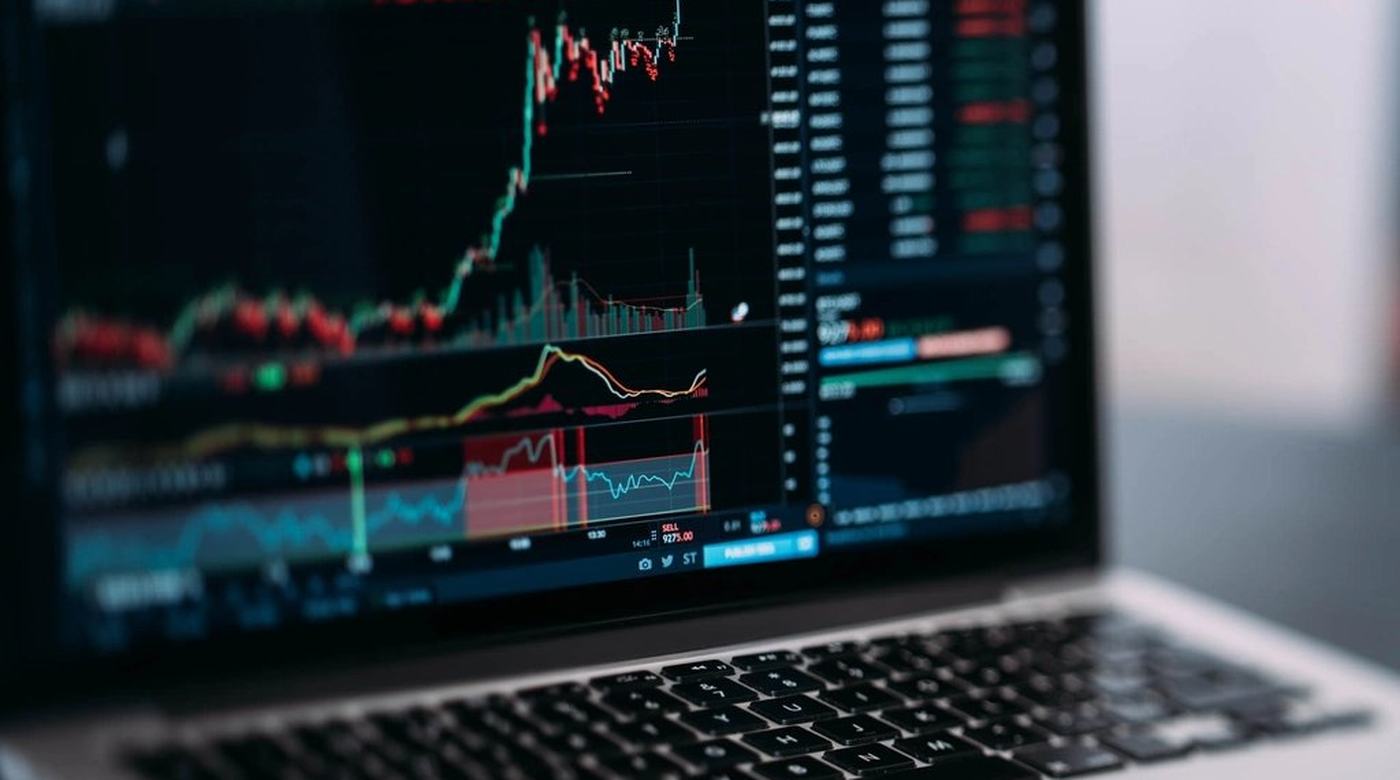
Paper trading runs your strategy on live prices with simulated money. It is built into Conviction, so you don't need a brokerage account, a funded balance or any setup. Build a strategy, choose Paper, and it starts trading.
What you can do
- Deploy in one click. From any strategy card, choose Paper.
- Choose your starting balance. $100,000 by default, or the amount you actually plan to trade.
- Trade every market. Stocks and ETFs, long or short. Options, including multi-leg structures. Crypto around the clock. Futures on margin.
- Run as many as you like. Each strategy gets its own account, so results never mix.
- Try things your brokerage won't let you do yet. Spreads without options approval, shorting, futures.
- Co-invest on paper to follow a trader before putting real money behind them.
What you see
- A returns chart from the first buy, and a live price chart with your trades.
- Positions, orders and every trade, with prices and times.
- Balance, buying power and profit, realized and unrealized.
- An activity feed that says why each order was placed, and why one wasn't: the market was closed, a guardrail blocked it, there wasn't enough cash.
Controls
- Pause and resume. On resume the strategy checks its rules straight away.
- Stop to end the run and close what is open.
- Reset to start again from a fresh balance. The old run is kept.
- Edit the rules while it runs.
- Guardrails are optional on paper, so you can see what a strategy does with and without them.
Going live
When you are ready, move the strategy to a connected brokerage in one step. The rules and settings carry over, and the live run starts fresh with no position.
Sample strategies
- Sell a 30-delta covered call on AAPL every month.
- Buy $500 of NVDA when it drops 5% in a day. Sell at +8% or after 10 trading days.
- Sell a 30-day iron condor on SPY with the short strikes at 16 delta and $5 wings. Close at 50% of max profit.
- Buy $200 of bitcoin if it drops 5% in 4 hours. Sell half at +8% and the rest at +15%.
- Buy 1 micro S&P when it breaks above the high of the first 30 minutes. Stop at the low of that range, target twice the risk.
- Short TSLA if it closes below its 200-day average. Cover on a close back above.
Got an idea? We’ll trade it.
Get Started for FreePaper trading results are simulated and are not a prediction of live results.
Cover photo: Rawpixel, CC0